HealthTech




Full focus on young talent recruitment for companies. automatica offers exciting robotics and automation formats as a door opener for youngsters considering STEM careers. These formats also show how education systems need to adapt to reflect technological developments and the associated future skills.
Given the rapid pace of technological development and the exacerbating shortage of specialists, training the next generation of qualified industry professionals is more important than ever.
There are two key challenges for automation and robotics in this context: How do we get youngsters excited about future technologies at an early stage? And how do we ensure availability of the required skills? The Education & Young Talent focus topic provides detailed answers.
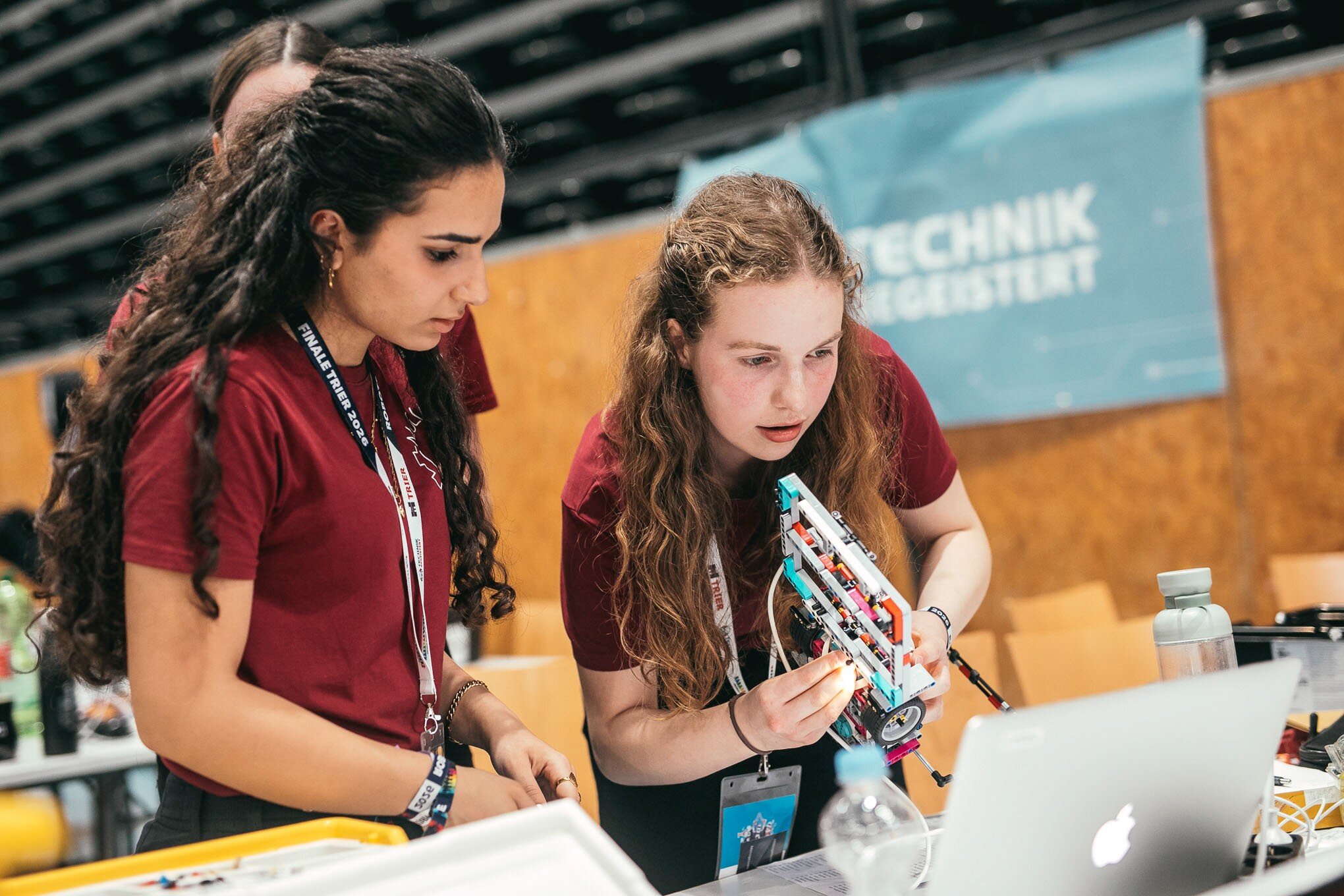
automatica brings future technologies to life and engages youngsters in exciting STEM initiatives such as the World Robot Olympiad—a playful, competitive approach with clear practical relevance.
The leading exhibition thus sparks fascination with technology and inspires enthusiasm for robotics and automation while fostering intergenerational exchange. Apart from new perspectives on evolving technology, this also leads to solution approaches for real-world issues.

Robotics and automation are advancing at a rapid pace—and so do the skillsets required in the future. How can training and professional development keep up? What makes upskilling and reskilling a success?
Building and expanding expertise in technology and AI is a process that continues throughout entire career trajectories and should begin as early as possible. automatica’s supporting program provides an extensive knowledge transfer framework that helps companies get fit for the future.
Evolving technology always involves the adaptation and development of skills for the future. AI is considered the strongest and most relevant driving force in this context. Each step in its evolution has effects on the skillsets required in the future—requiring flexibility and the ability to adapt quickly.
The skills required by the industry of the future—particularly in automation and robotics, and with regard to physical AI—range from universal skills such as creativity and innovative thinking to an extremely diverse spectrum of specialist skills.
It includes robot and PLC programming, AI and machine learning, cloud and edge computing, human-robot-collaboration, system integration and interface expertise along with many other skills. Identify the topics most relevant to you in the knowledge formats of our supporting program to get your information edge!
Recruiting young talent is crucial to secure the long-term availability of qualified specialists and to strengthen the robotics and automation industry’s capability to innovate. The increasing adoption of robotics, artificial intelligence (AI), and networked production systems is changing technical job profiles and qualification requirements. Companies therefore need young talent to develop, integrate, and operate modern automation solutions.
Robotics and automation companies have a particular need for mechatronics, electrical engineering, automation technology, mechanical engineering, and computer science specialists. These include mechatronics technicians, electronics technicians specializing in automation technology, engineers, and software developers. Key qualifications include robot programming, systems technology, sensor technology, and system integration. Demand for artificial intelligence (AI), data analysis, and IT security skills is increasing particularly fast.
The most important future skills in robotics and automation include technical expertise in AI, data analysis, programming, and cybersecurity. Analytical thinking, problem-solving skills, creativity, and interdisciplinary collaboration are equally important in this context. Since physical AI and autonomous robotic systems are evolving technologies, adaptability and lifelong learning are also becoming increasingly important.
HealthTech
Automation for Beginners